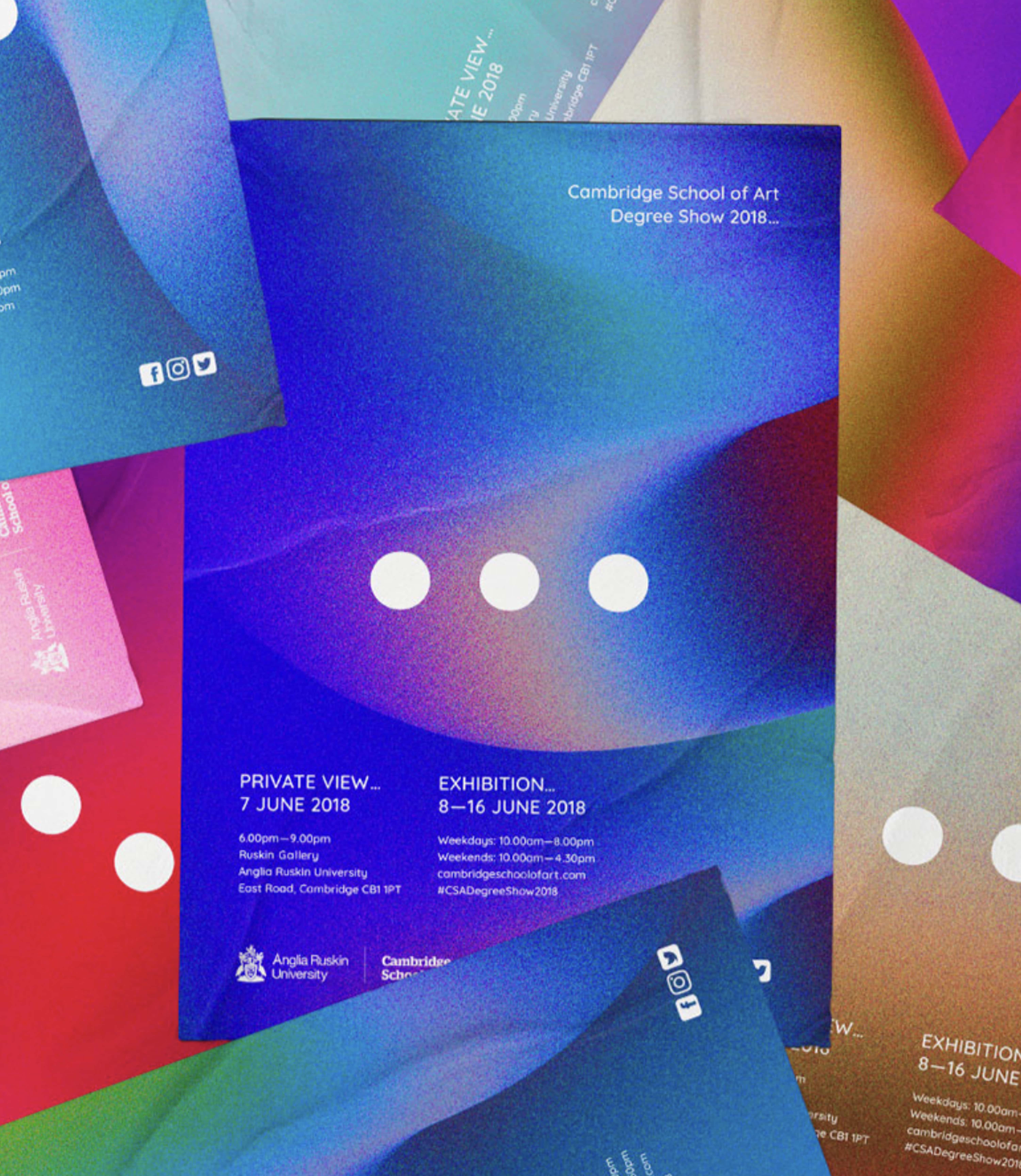
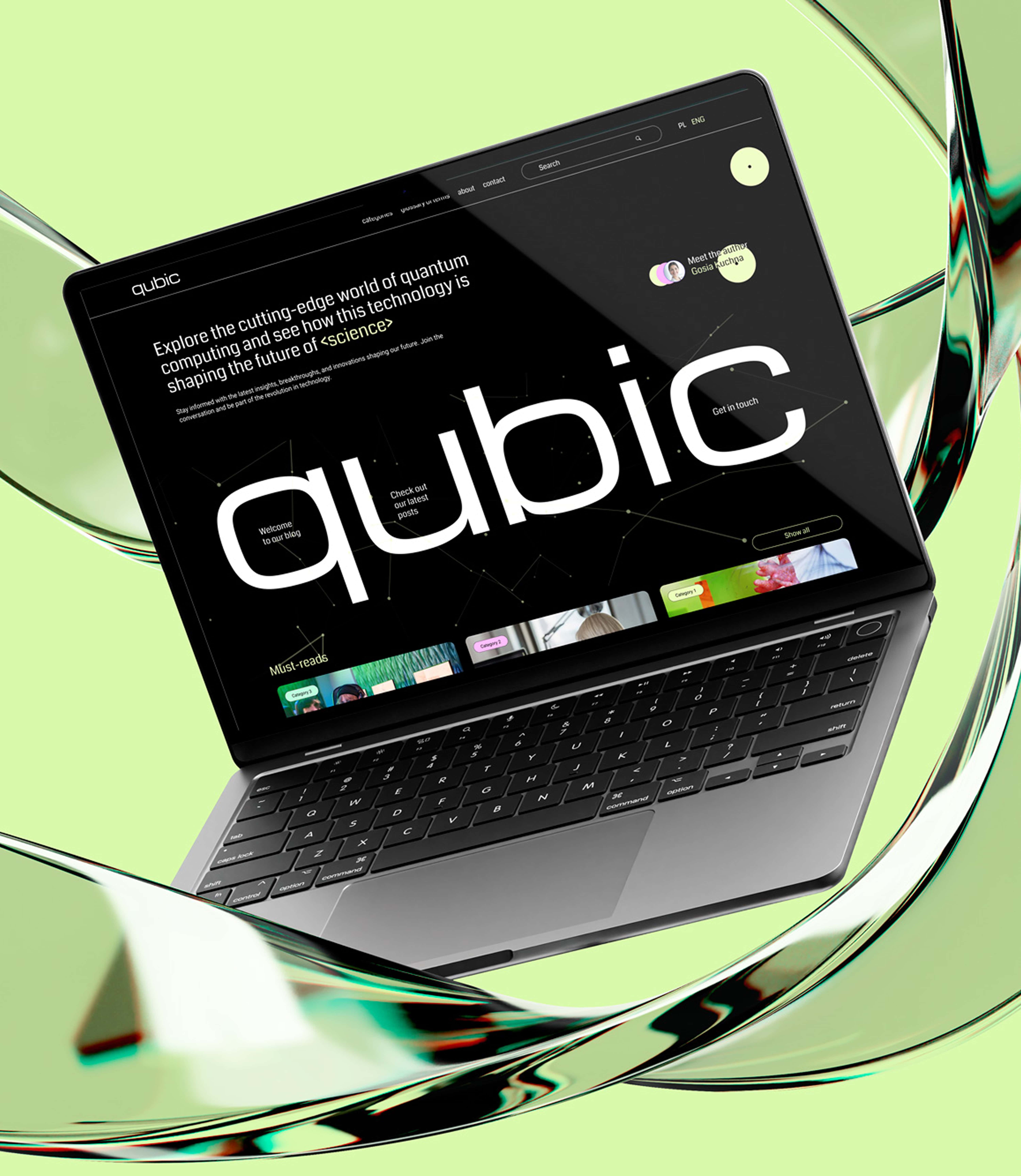
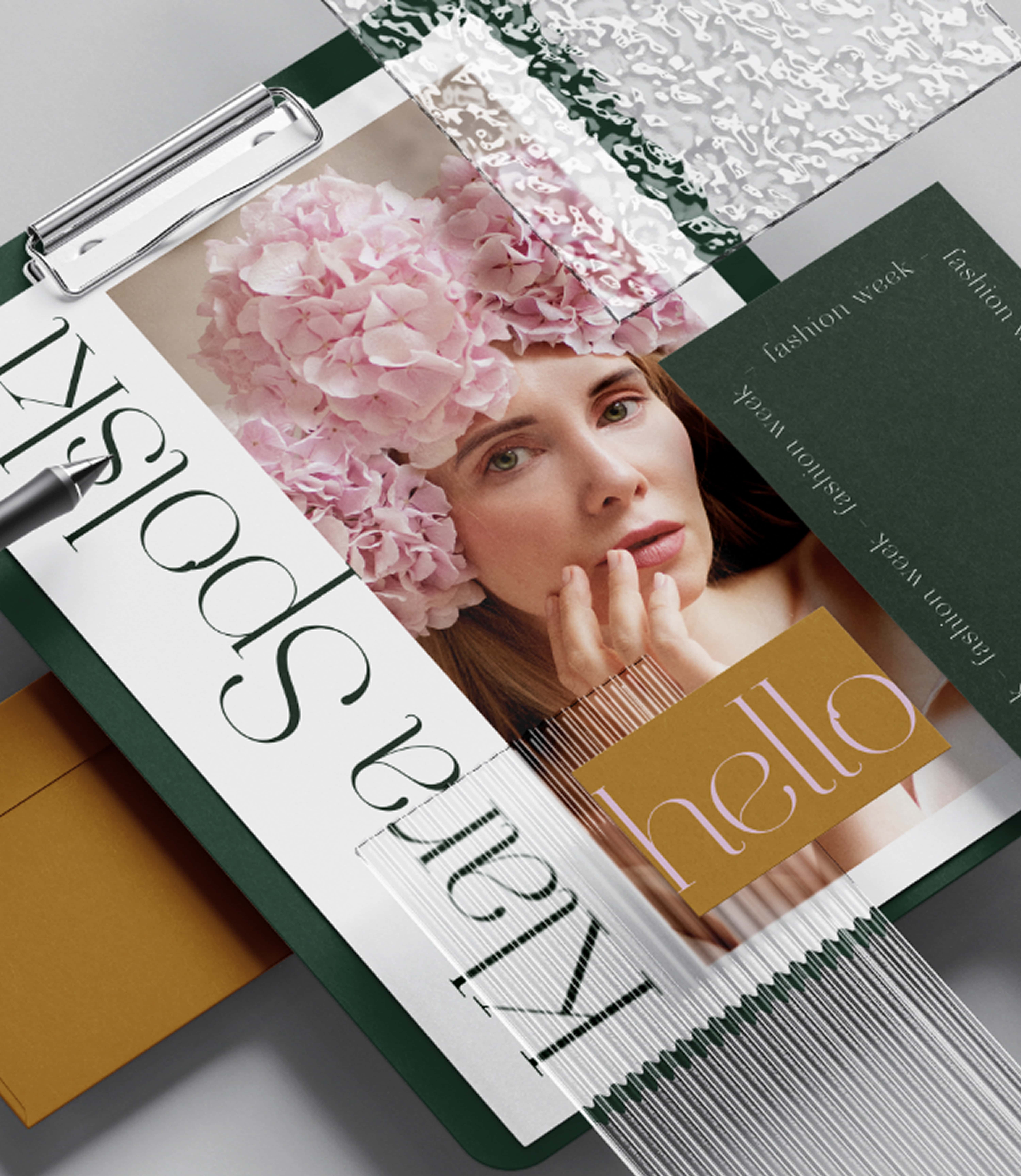
And that — not the beautiful finished work, but the process — is what decides whether a project delivers the result you actually care about.
Questions about process that separate a good studio from a good portfolio
Before you sign a contract, ask how the studio works — step by step.
Does the project start with strategy and research, or go straight to visuals? (If it goes straight to visuals — think twice.) What exactly does the quote include? Wireframes, responsive design, a CMS, testing, post-launch support — or just the visual design? How many rounds of revisions are included, and what happens once you’ve used them up?
Who will actually work on your project? The same person who led the projects in the portfolio — or a junior who is still learning on your budget? Will your website be designed from scratch or built on an off-the-shelf template? (This matters, because plenty of agencies sell a ‘bespoke’ design that, in practice, is a heavily modified template.)
Once the site is live, will it be under your control — or will you depend on the studio for every content change? When the project ends, will you receive the source files and full rights to the design?
These questions aren’t a sign of mistrust. They’re a sign that you’re taking the decision seriously.
Questions about communication and approach — because a project is about more than the design
Does the studio explain its design decisions, or simply present the results? Does it ask about your business and your clients, or only about ‘inspiration and favourite colours’? Can it say ‘no’, or suggest a different solution, when a client’s idea would harm the project?
That last question is especially important. A studio that does everything you ask sounds like a dream — and it’s a trap. The client knows their business. The studio knows design and visual communication. If a studio never challenges you, never offers alternatives, never says ‘this might not work because of X’ — it isn’t a partner. It’s a print shop with an imagination.
A good studio tells you things you don’t want to hear when they matter for the project. A good studio leads, rather than simply carrying out instructions.
How to assess a proposal without falling into pricing traps
Comparing quotes without understanding the scope is like comparing restaurant prices without looking at the menu.
If one proposal comes in at PLN 5,000 and another at PLN 18,000, you’re probably not comparing like with like. The cheaper one may not include strategy, wireframes, responsive design, a CMS, testing or post-launch support. The more expensive one may include all of that, plus support for the first three months. They’re different products.
Ask for the details. Ask for the scope to be broken down. Find out what happens when problems arise — who is responsible and what the escalation path looks like. Ask about projects that proved difficult — and what the studio learned from them.
In summary: when choosing a design studio, look beyond the portfolio. Check the process, what the quote covers, the approach to strategy, the skills involved, the communication style, the rights to the design and the post-launch support. The best studio isn’t the one that produces the prettiest work. It’s the one that understands why it’s designing — and that will be honest with you throughout the project.