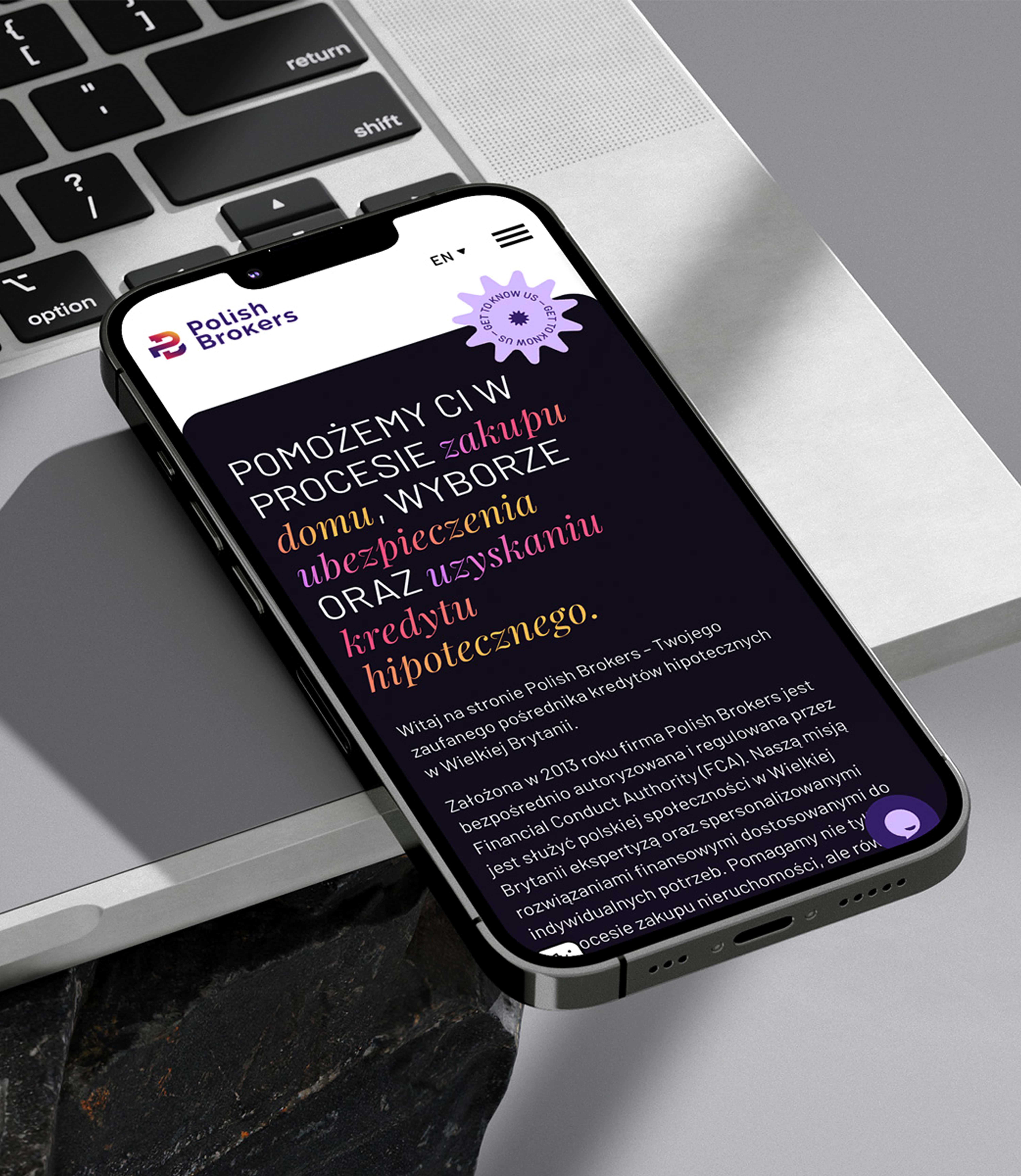
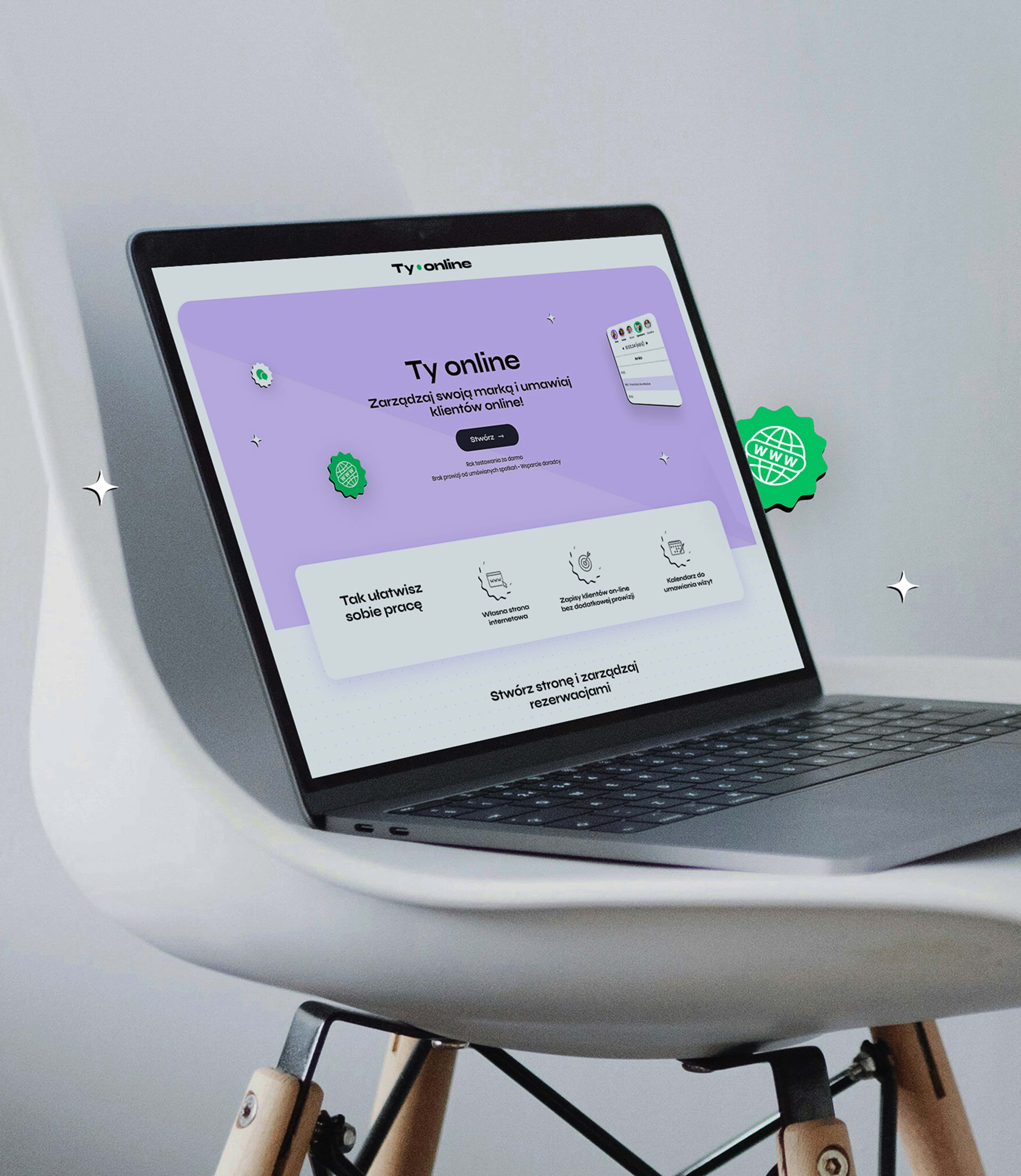
What a template does well — and where the problem starts
A template is a ready-made framework. Someone has already designed the layout, the sections and the flow. You change the colours, add your own copy and photos, and you have a website. Quickly. More cheaply. With a visible result.
For a business that’s still testing an idea, needs a basic online presence or is working with a very tight budget, a template is an honest, sensible choice. No reasonable person would tell you everything has to be custom-made. That would be absurd — and expensive.
The problem starts when the template begins to run the brand instead of serving it.
Instead of designing the site around your offer and your client, you squeeze your offer into ready-made sections. Instead of showing your own sales process, you adapt to whatever the template’s creator decided was a ‘standard layout’. Instead of making your brand stand out, you slot it into a format used by a thousand other businesses.
It’s a bit like moving into a flat where the sofa, the table and the bed are already bolted to the floor. You can live there. Just not entirely on your own terms.
What a bespoke design really gives you — and why premium brands have no choice
A bespoke design starts with a question, not a template. With a conversation about who your client is, what they’re looking for, and what they need to feel and understand before they enquire about working with you. Only then are the structure, copy, section layout and visual layer designed.
The result isn’t a ‘pretty’ website. It’s a precise one. Every section is there for a reason. Every message answers a specific client objection. The whole design guides the visitor through a considered decision-making process — not by accident, but because someone designed it that way.
For brands selling premium services, consultancy, design projects, therapy, property, education or experiences, a bespoke design isn’t a luxury. It’s a necessity. Because a premium client judges quality before they even pick up the phone. They judge it by how the site looks, how it reads and how it guides them. And if the site looks like every other site — the brand looks the same too. Like every other brand.
How to make a decision you won’t regret in a year’s time
There’s no universal answer. But there is one question that will lead you to the right one:
Should my website simply tell people the business exists — or should it actively build trust and persuade them to work with me?
If it’s the former — a template will do. If it’s the latter — it’s worth talking about a bespoke design. Many businesses start with a template and, a year or two later, invest in a full design as the stakes rise, their prices go up and their clients expect more. That’s a perfectly good path. What matters is knowing where you are — and not expecting a template to do what it was never built for.
In summary: a template is honest and quick — good for getting started, for testing, for a simple goal. A bespoke design is precise and builds your brand — right when your website needs to drive sales, earn trust and set you apart. Choose the tool that fits the job, not a budget pulled out of a hat.