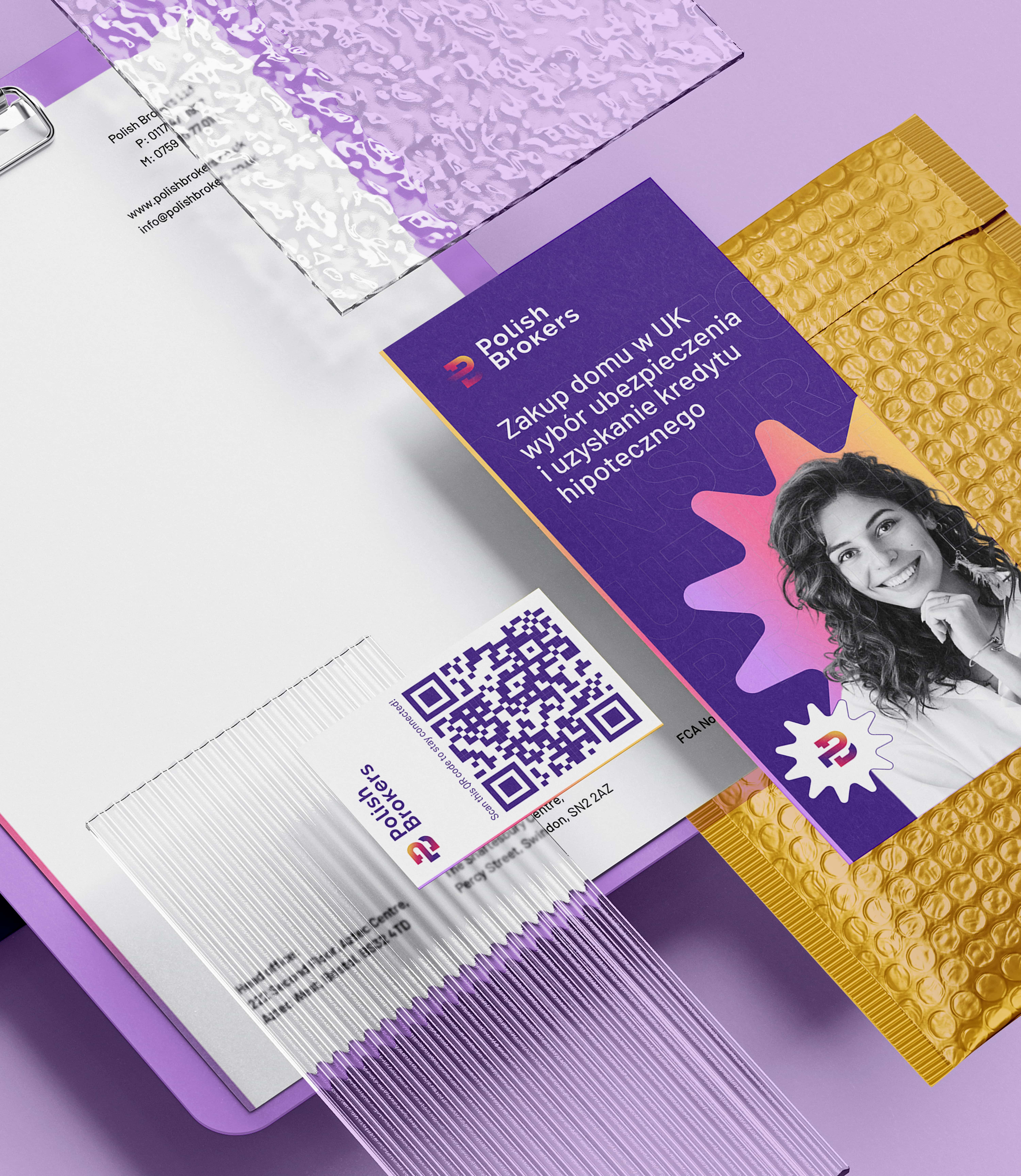
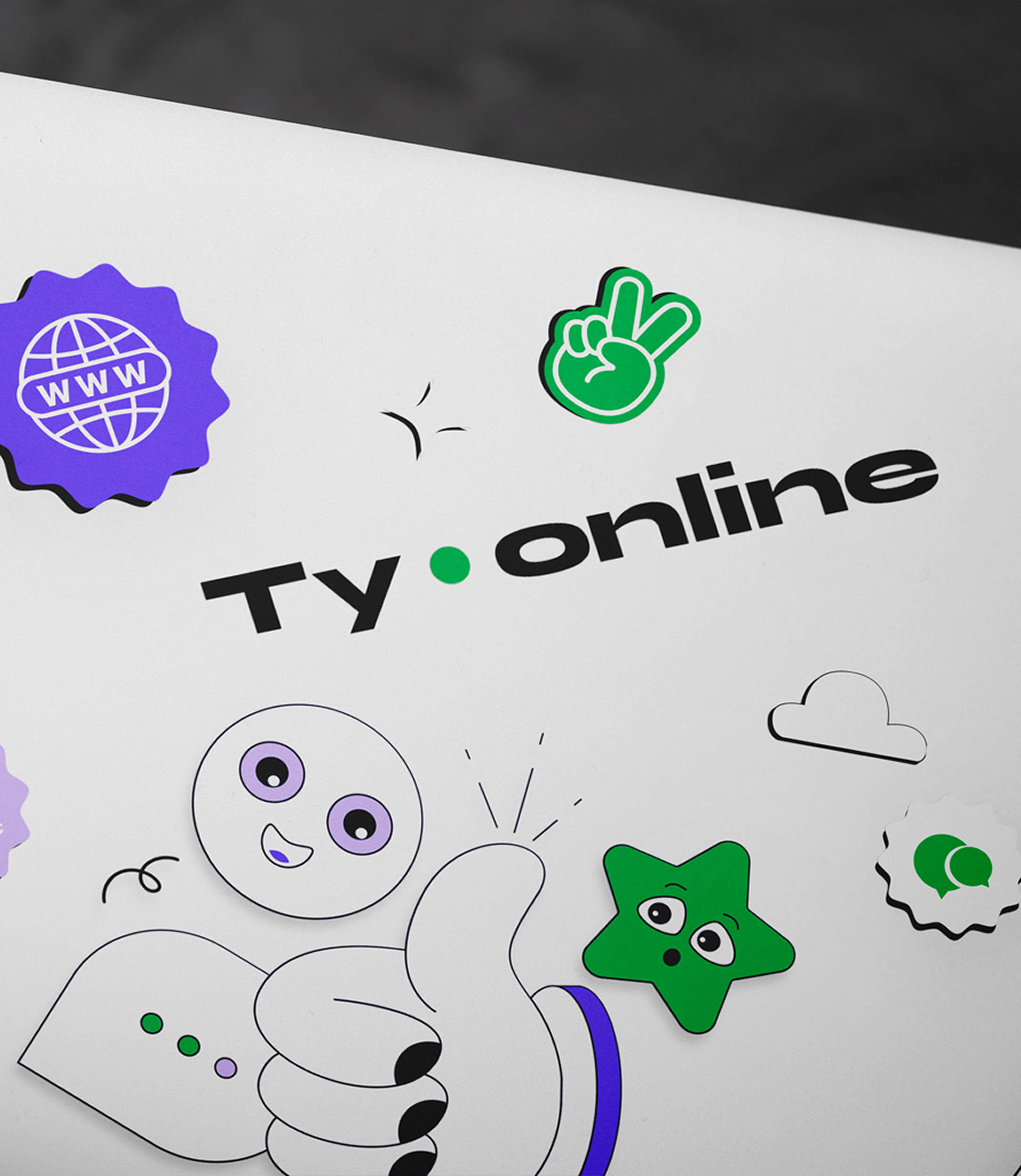
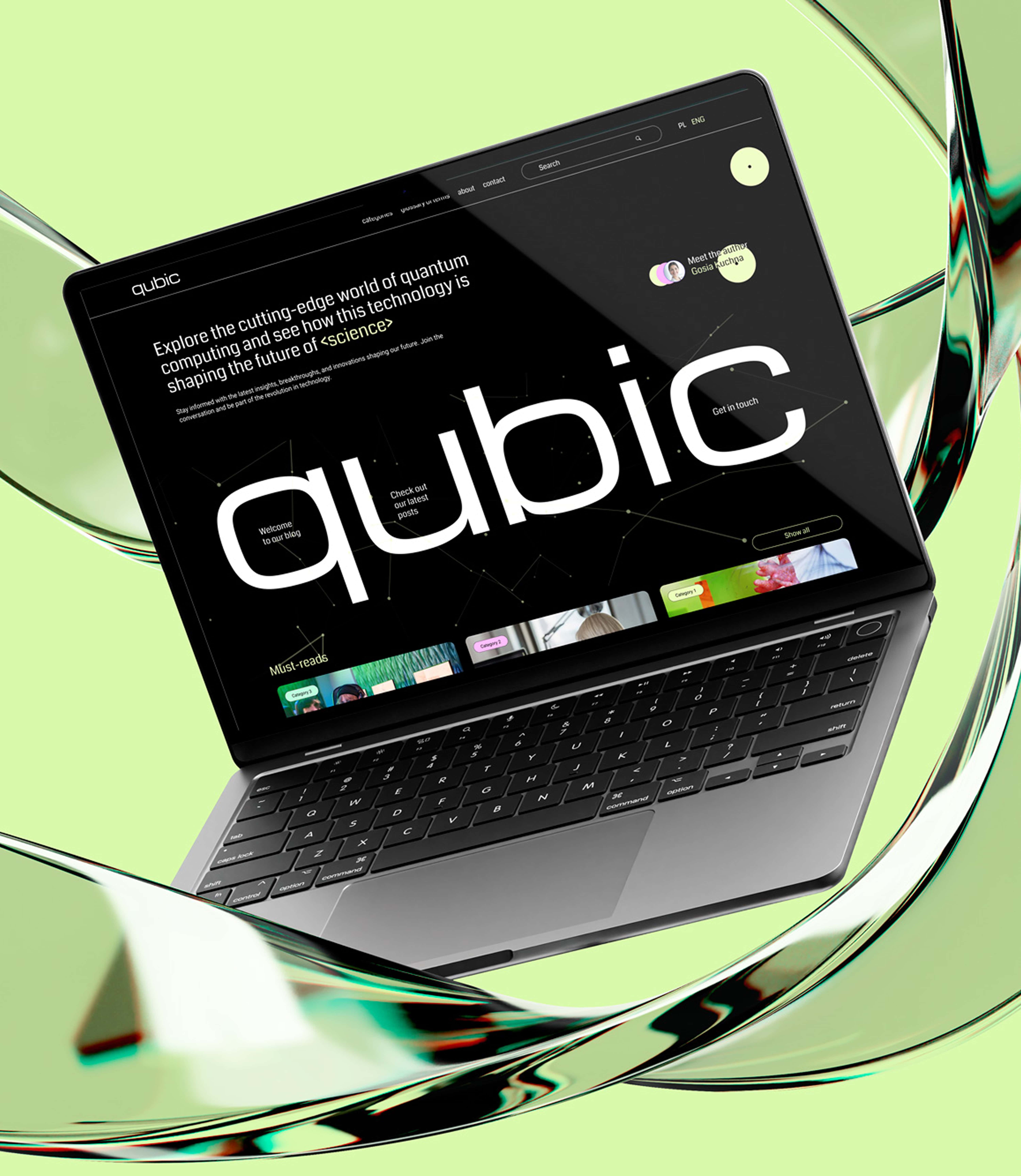
If it looks slightly different in each of them — a different font here, different colours there, a different style of graphics, a different tone (the client sees five different companies). Or, worse, one company that isn’t in control of how it looks. And that second impression is the worst of all.
A design system is the answer to that problem. And it isn’t reserved for big corporations with product teams.
What is a design system?
A design system is a set of rules, elements and templates that keeps your brand consistent at every point of contact with your clients.
In practice, for a small or medium-sized business, that means: a colour palette with clear rules for use, two or three fonts with defined roles, a style for photography and graphics, and ready-made templates for social media, PDF proposals, presentations, company documents and your email signature. On the website, a set of fixed components: what a button looks like, what a testimonials section looks like, what a heading looks like.
A design system isn’t the same as a brand book. A brand book describes the brand — its values, positioning and personality. A design system tells you how to apply all that in practice. You need both. But it’s the design system that decides whether your brand actually looks consistent day to day, or only in the presentation to the client.
Three reasons consistency achieves what no single project can
- Reason one: memory. A brand that looks consistent across many places is simply more memorable. A client who sees your LinkedIn posts, your PDF proposal and your website — and recognises the same look every time — starts building a relationship with your brand. Even before they’ve bought anything.
- Reason two: trust. Consistency signals control and attention to detail. A brand that looks coherent says: ‘we’re on top of what we do’. For premium clients — especially those who pay for quality — that signal matters more than you might think.
- Reason three: scalability. When the brand lives in just one head — the owner’s, who does everything themselves — it somehow works. But once marketing, a freelancer, a social media agency or another designer come on board, without a system everyone does their own thing. And five people doing their own thing adds up to visual chaos that, from the outside, looks like having no identity at all.
Where to start, without drowning in documentation nobody will read
A good design system for a small business doesn’t have to be monumental. It has to be useful.
Start with the minimum that will actually get used: a colour palette with rules (primary, secondary, neutral, and what each one is for), two fonts with defined roles (one for
headings, one for body text), photography guidelines (what mood, what framing, what to avoid), three social media templates, and a proposal and presentation template.
That’s enough for your brand to start looking consistent — without a months-long project or dozens of pages of documentation.
A design system grows with your business. It isn’t something you create once and then put away in a drawer. Every new piece of material, every new channel, every new need is an opportunity to extend the system. The goal is a brand that looks good everywhere — not just where someone happened to give it special attention.
Summary
A design system is a practical tool that makes your brand look like a brand — coherent, consistent and professional — no matter who creates the materials, or when. You don’t need corporate documentation. You need a set of rules and templates that will actually be used. And that makes sure your brand looks just as good on a Tuesday morning as it does at a photo shoot.